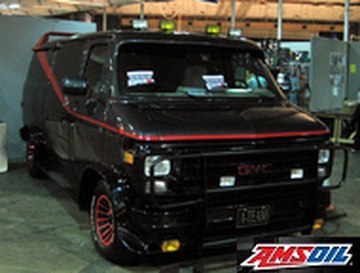
Maintaining Lubrication Integrity for the 1981 Gmc Trucks G1500 VAN 5.7L
Proper engine maintenance is a cornerstone of long-term vehicle health, particularly for utility-focused vehicles like the 1981 Gmc Trucks G1500 VAN. With a 5.7L engine, ensuring that internal components receive consistent and clean lubrication is vital for managing friction and heat during operation. Because this vehicle was manufactured several decades ago, maintenance strategies should focus on monitoring current component conditions and adhering to the specific fluid requirements provided in your application data.
Monitoring Fluid Condition and Potential Leaks
One of the most effective ways to monitor the health of a 5.7L engine is through regular visual inspections for fluid integrity. Over time, various seals and gaskets may experience changes in their ability to contain fluids. When performing routine checks, look for any signs of seepage or active dripping around the engine block and lower mounting areas. Identifying these issues early can prevent significant fluid loss.
Beyond looking for external leaks, it is useful to observe the appearance of the oil itself during service. While some level of darkening is expected as oil undergoes thermal cycles and collects microscopic debris, extreme discoloration or a gritty texture can be an indicator that the lubricant has reached the end of its effective service life. If you notice any unusual odors or changes in how the fluid behaves, it warrants a closer investigation to determine if contamination or excessive heat exposure is occurring.
Observing Operational Indicators
A vehicle's performance can often provide subtle clues regarding its lubrication status. While symptoms can have many different causes, certain observations should not be ignored. For instance, changes in engine noise levels may be associated with the state of the lubricant or the efficiency of the lubrication system. If an engine begins to sound different than it has during previous months of operation, a thorough inspection is advisable.
Additionally, keep a close eye on any dashboard indicators related to engine health. Any warning light that illuminates should be addressed immediately. It is also important to monitor for any unusual exhaust characteristics; while smoke can be caused by many factors, certain colors or patterns may indicate that the engine is consuming more lubricant than usual. Rather than attempting to diagnose a specific component based on these signs alone, use them as prompts to perform a comprehensive check of all fluid levels and system components.
Prioritizing Maintenance Based on Current Condition
For an older vehicle like the 1981 Gmc Trucks G1500 VAN, maintenance should be driven by the actual condition of the machine rather than just its age. If you are stepping into ownership with incomplete service history, your first priority should be establishing a baseline. This involves performing a thorough inspection of all major service points and documenting the current state of every fluid and belt.
When managing maintenance tasks, consider these practical steps:
- Review available records: If previous repair or service logs are available, use them to identify patterns in component wear or fluid consumption.
- Address active concerns first: If you notice an active leak or a change in engine sound, prioritize those repairs before moving on to general preventive maintenance.
- Inspect aging materials: Components such as rubber hoses (if present) and accessible drive belts (if equipped) should be checked for signs of cracking, glazing, or fraying.
- Monitor consumption: If you find yourself needing to add fluid more frequently than in the past, track these occurrences to help identify potential issues with seals or internal components.
By focusing on condition-based maintenance, you can distinguish between necessary repairs and unnecessary parts replacement, ensuring that your resources are directed toward the most impactful service tasks.
Managing Engine Heat and Contamination
The 5.7L engine relies on its lubricant to assist in heat management. As the engine operates, the oil absorbs a significant amount of thermal energy from internal moving parts. If the oil is not changed according to a consistent schedule, it can lose its ability to manage this heat effectively and may begin to break down. This breakdown can lead to the formation of deposits or sludge, which can interfere with the smooth operation of engine components.
Maintaining clean lubrication also helps mitigate the effects of contamination. Even in well-maintained engines, small amounts of combustion byproducts can enter the crankcase. High-quality lubricants are designed to hold these particles in suspension so they can be captured by the oil filter. Ensuring that your filtration system is functioning correctly and that you are using the appropriate lubricant for your specific application is essential for preventing buildup within the engine.
Long-Term Ownership and Record Keeping
Successful long-term ownership of a classic van requires disciplined record-keeping. Documenting every oil change, filter replacement, and mechanical repair creates a vital history that can be used to predict future maintenance needs. For a 1981 Gmc Trucks G1500 VAN, having a clear timeline of when fluids were last changed helps in identifying if the engine is consuming more lubricant over time or if a specific component is nearing the end of its service life.
If you are currently unaware of the vehicle's maintenance history, start your own log immediately. Note the date, mileage, and any observations made during inspections. This practice not only helps in maintaining the vehicle but also provides valuable information should you ever decide to sell the vehicle or if you need to consult a professional technician regarding a specific mechanical issue.
Buying Engine Oil for your 1981 Gmc Trucks G1500 VAN 5.7L
When it is time to replenish your engine's lubricant, accuracy in selection is paramount. You should not rely on general automotive knowledge or assumptions based on the age of the vehicle to choose a product. Instead, match the engine oil to the application-specific viscosity information already displayed on this webpage.
Before making a purchase, carefully check the product labeling to ensure it meets the necessary quality standards for your engine. Depending on your specific needs and the current condition of your engine, you may encounter various formulations, including conventional, synthetic blends, or full synthetic oils. Some high-mileage oil formulations also contain additives intended for use in aging engines, such as seal-conditioning agents. Always verify that the product you select aligns with the technical specifications provided in the application information above to ensure optimal protection and performance for your 5.7L engine.